


C-store revenue is up, but is that the whole picture?
Headlines report that c-store revenue is up across the industry, but transaction data from over 1,700 c-stores tells a surprising story of declining demand.
Find out what you can do to get ahead.

Download the report
C-store revenue is up, but is that the whole picture?
On paper, revenue looks strong for c-stores, but a closer look at data from over 1,700 locations shows fewer trips and softer demand underneath those gains. This report breaks down what’s behind the shift and how shopper behavior is changing.
Dig into the data
Demand tells a different story for convenience stores.
Higher revenue looks like progress. Dig a little deeper, and a different picture comes to light. Fewer trips, smaller baskets, and more price-sensitive shoppers point to a demand problem that revenue growth can hide.
27%
reported shopping at c-stores less often than they did a year ago.
72%
of c-store shoppers said that c-store prices are too high.
77%
of consumers are shopping at grocery stores for convenience items.

Key takeaways
- How inflation can skew revenue reporting and mask declining transactions
- What fewer trips and smaller baskets tell us about shopper pullback
- How price sensitivity is changing who c-stores compete with
- How retailers can respond to shifting demand
Dig into the data
Download the report

C-store revenue is up, but is that the whole picture?
Headlines report that c-store revenue is up across the industry, but transaction data from over 1,700 c-stores tells a surprising story of declining demand.
Find out what you can do to get ahead.
Demand tells a different story for convenience stores.
Higher revenue looks like progress. Dig a little deeper, and a different picture comes to light. Fewer trips, smaller baskets, and more price-sensitive shoppers point to a demand problem that revenue growth can hide.
27%
reported shopping at c-stores less often than they did a year ago.
72%
of c-store shoppers said that c-store prices are too high.
77%
of consumers are shopping at grocery stores for convenience items.
Demand tells a different story for convenience stores.
Nearly 80% of today’s retail customers are uncommitted, shopping across brands and formats in order to maximize their own value. Long-term growth depends on understanding and influencing them — profitably. This new report shows you how.
Select your industry

Grocery
Most grocers’ retention buckets are leakier than they think.
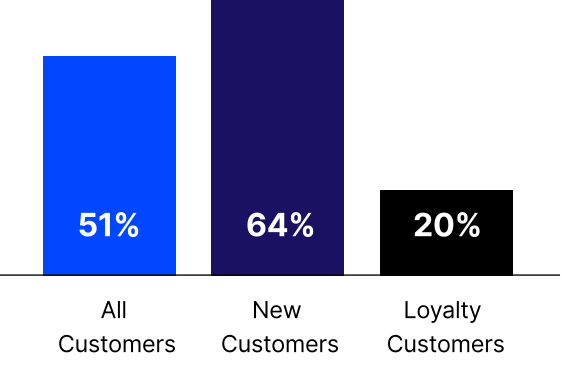
For grocers, 31% of their customers in a given month will churn — even more so for new customers. Loyalty programming helps, but significant churn risks remain.
- 31% of all customers shopping in a given month won't be back that year
- 50% of new customers shopping in their first month won't be back that year
- 14% of loyalty members shopping in a given month won't be back that year

Restaurant
Most restaurants’ retention buckets are leakier than they think.
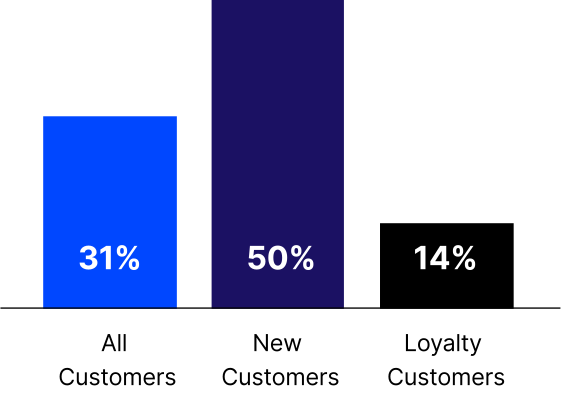
For restaurant retailers, 42% of their customers in a given month will churn — even more so for new customers.
- 42% of all customers shopping in a given month won't be back that year
- 64% of new customers shopping in their first month won't be back that year

Fuel
Most fuel retailers’ retention buckets are leakier than they think.
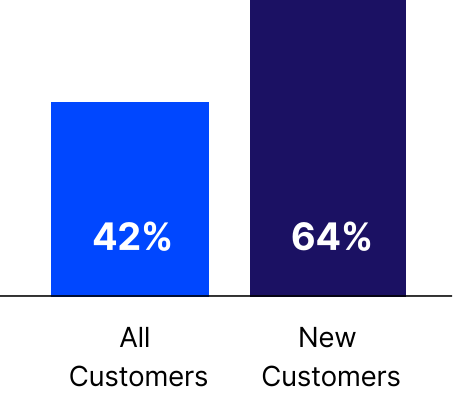
For fuel retailers, 51% of their customers in a given month will churn — even more so for new customers. Loyalty programming helps, but significant churn risks remain.
- 51% of all customers shopping in a given month won't be back that year
- 64% of new customers shopping in their first month won't be back that year
- 20% of loyalty members shopping in a given month won't be back that year
72%
of c-store shoppers said that c-store prices are too high.
New data reveals the key to higher retention rates.
Retained customers spend at higher levels than new customers
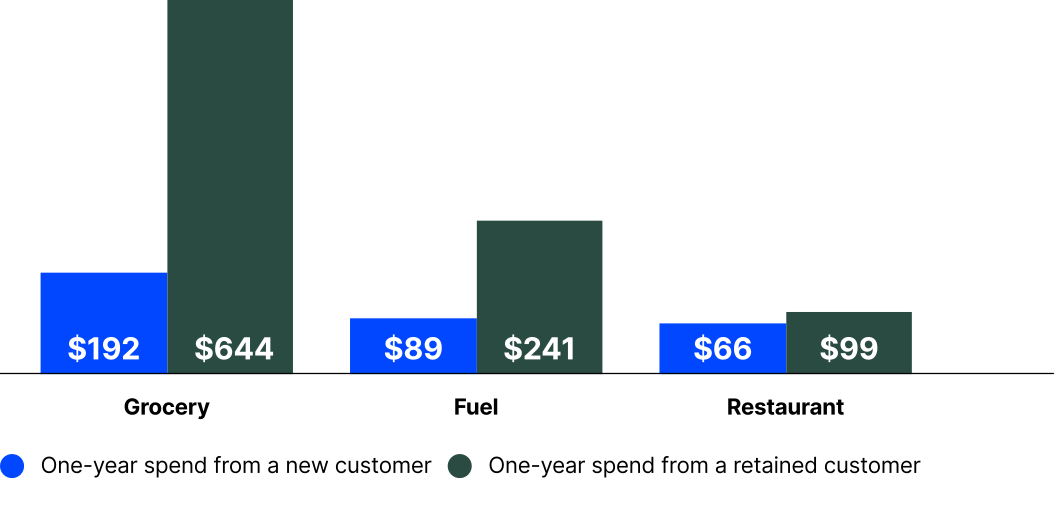
Source: Upside transaction data from 7.7 million customers at 335 grocery stores, 2,254 fuel stations, and 1,498 restaurants from March 2022 to February 2025.
Key takeaway
Customer retention is about building habits, visit by visit. Our research shows regular grocery customers are 46 percentage points more likely than new customers to stick around after a year — and that compounds over time.
It’s not just the number of transactions that are down. The number of items per transaction has seen a similar downward trend.
DownloadIt’s not just the number of transactions that are down. The number of items per transaction has seen a similar downward trend.
Dig into the data
Get a look at the whole picture. Download our report on declining c-store demand and what retailers can do about it now.


