


The Consumer Spend Report 2025

Download the report
The Consumer Spend Report 2025
Loyalty programs are stronger, stores are more convenient, and digital access has never been easier — yet shoppers are drifting further away. This report looks at the trends reshaping consumer behavior and what they signal for retailers in the year ahead.
How did customers spend in 2025? Get the full report.
Uncommitted shopping is becoming the default.
Value is being redefined in real time. As consumers chase the best deal on every trip, retailers are racing to meet rising expectations — sometimes in ways that unintentionally make cross-shopping even easier. This report digs into what’s behind the shift and how retailers can respond as these behaviors continue to grow.
49%
think the economy is getting worse in 2025.
37-60%
compare prices between locations on most trips.
86%
say rewards matter, but only half use loyalty programs consistently.

Key takeaways
- The pressures reshaping how consumers define value today
- What’s accelerating uncommitted shopping across every category
- The decision drivers behind where shoppers go — and why
- How deal-seeking and digital access are changing trip patterns
- The widening gap between loyalty expectations and loyalty usage
- The emerging behaviors retailers should watch next
How did customers spend in 2025? Get the full report.
Download the report

Uncommitted shopping is becoming the default.
Value is being redefined in real time. As consumers chase the best deal on every trip, retailers are racing to meet rising expectations — sometimes in ways that unintentionally make cross-shopping even easier. This report digs into what’s behind the shift and how retailers can respond as these behaviors continue to grow.
49%
think the economy is getting worse in 2025.
37-60%
compare prices between locations on most trips.
86%
say rewards matter, but only half use loyalty programs consistently.
Uncommitted shopping is becoming the default.
Nearly 80% of today’s retail customers are uncommitted, shopping across brands and formats in order to maximize their own value. Long-term growth depends on understanding and influencing them — profitably. This new report shows you how.
Select your industry

Grocery
Most grocers’ retention buckets are leakier than they think.
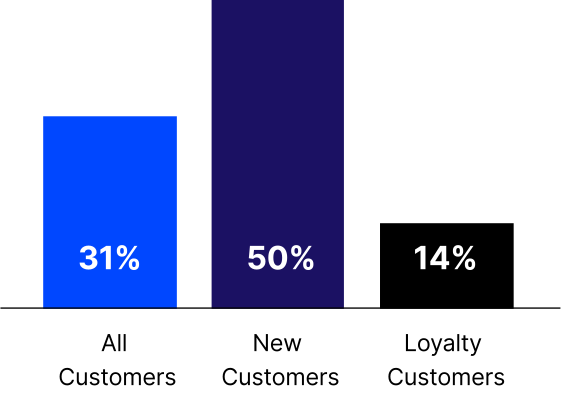
For grocers, 31% of their customers in a given month will churn — even more so for new customers. Loyalty programming helps, but significant churn risks remain.
- 31% of all customers shopping in a given month won't be back that year
- 50% of new customers shopping in their first month won't be back that year
- 14% of loyalty members shopping in a given month won't be back that year

Restaurant
Most restaurants’ retention buckets are leakier than they think.
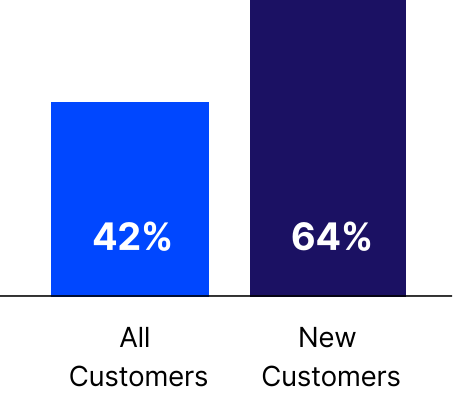
For restaurant retailers, 42% of their customers in a given month will churn — even more so for new customers.
- 42% of all customers shopping in a given month won't be back that year
- 64% of new customers shopping in their first month won't be back that year

Fuel
Most fuel retailers’ retention buckets are leakier than they think.
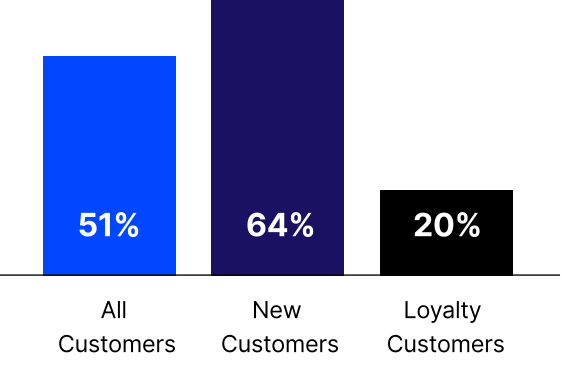
For fuel retailers, 51% of their customers in a given month will churn — even more so for new customers. Loyalty programming helps, but significant churn risks remain.
- 51% of all customers shopping in a given month won't be back that year
- 64% of new customers shopping in their first month won't be back that year
- 20% of loyalty members shopping in a given month won't be back that year
37-60%
compare prices between locations on most trips.
New data reveals the key to higher retention rates.
Retained customers spend at higher levels than new customers
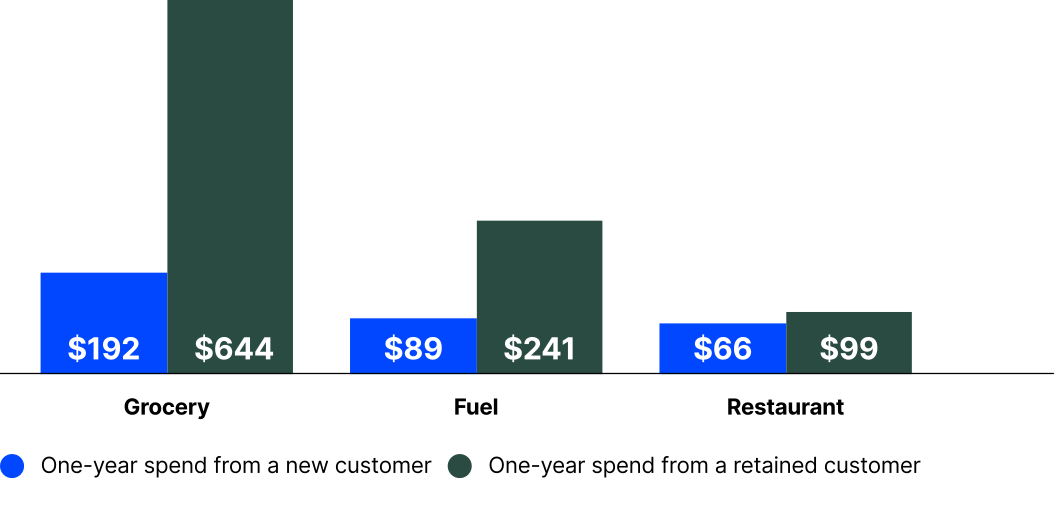
Source: Upside transaction data from 7.7 million customers at 335 grocery stores, 2,254 fuel stations, and 1,498 restaurants from March 2022 to February 2025.
Key takeaway
Customer retention is about building habits, visit by visit. Our research shows regular grocery customers are 46 percentage points more likely than new customers to stick around after a year — and that compounds over time.


