


All Things Upside with Ed Anderson
Nearly three years in, Principal Cloud Security Engineer Ed Anderson explains why candid teams and clear ownership make security work.

The Upside Team


All Things Upside with Ed Anderson
Nearly three years in, Principal Cloud Security Engineer Ed Anderson explains why candid teams and clear ownership make security work.

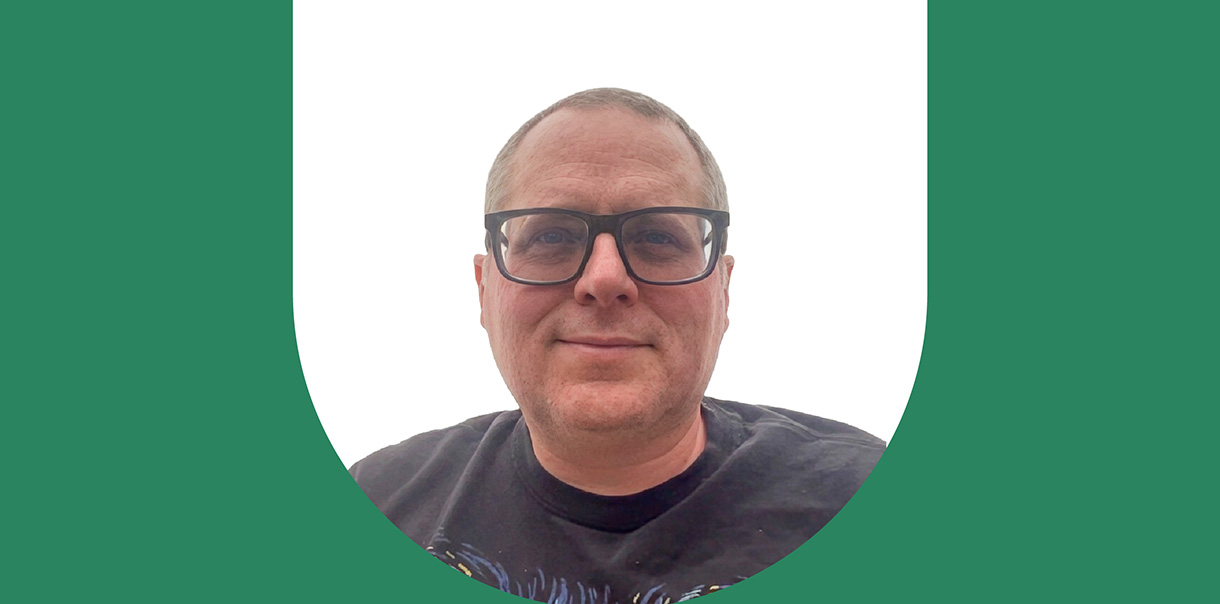

Good security depends on people communicating early and owning what happens next. Ed Anderson, Principal Cloud Security Engineer, has spent nearly three years helping Upside build on both. Here, he shares what drew him to the role, how his team talks about risk, and what a 25-year career has taught him about staying curious.
Q: What first drew you to Upside?
Ed: A combination of the opportunity and the hiring manager. I enjoy working in environments where I have the opportunity to own my little corner of things (Cloud Security) and set the tone for how we approach solutions in that space. And I felt like I had a good deal of natural alignment with the hiring manager.
Security is equal parts philosophy-of-approach and technical fulfillment, so alignment is important within a team.
Q: What's the communication style like on your team?
Ed: My team has a frank and direct internal communication habit. It's super important that the security team is generally aware of open risk and critical risk… Within our team, we encourage and accept challenging positions about what we should be focused on, and what risks may be embedded with projects that are underway.
I am personally an "I'd rather know" type, and I'm glad to be part of a team with that ethos.
Q: Which Upside value do you connect with most?
Ed: “Be an owner”: Ownership is important to me for my own work, and it's important to me that the external teams that I work with also prioritize ownership. Security is a bit of a process, and we try to engage early and often… and there are times when we must appear as interrupts for other teams (sometimes urgently). When ownership is missing, latent risk can be de-prioritized, or even shelved entirely. Ownership is the tie that binds our obligations to each other and the systems that we manage.
“Make the impact worth the effort”: Since we're building software, which is a creative and imaginative task, we can build anything we can imagine. Because we have an incentive to drive value, we endorse and encourage projects that provide tangible results.
Q: What do you appreciate most about Upside's culture?
Ed: I appreciate that we are generally open to feedback, and that there is support and structure for bottom-up efforts.
Q: How has your role changed since you joined?
Ed: At first my role here was squarely in the Security Engineer arena. It's now more backend-platform focused, which I enjoy. I think security operates most effectively and least intrusively when it's integrated with the overall system. It's been challenging and fun to be a part of the group that's deciding how we should be building and shipping software.
Q: What skills matter most in your role?
Ed: One is listening! As a security engineer, people will drop subtle hints about security-interesting things that they discover. It's important to be a good listener.
Another is limiting assumptions when presented with a problem. Working in software means that there are a lot of tradeoffs to be made. We have very few binary GOOD/BAD decisions. It's helpful to me and the larger org to put the tradeoffs at play in any decision on the table so that the involved parties know both the motivations and the manifestations of the choices in front of us.
Q: Let's go back to the beginning. What was your first job?
Ed: I made sandwiches at a deli in my hometown, which was undergoing a bit of a growth spurt through franchising. I mostly worked in the kitchen doing prep and the line. There were a lot of things to like about that job.
Q: How did you get from there into security?
Ed: I lucked into it by being obsessed with video games and learning a bit about how my computer worked so that I could do more video gaming. When I was a young adult, it was time to try and find a job and I was getting kind of tired of making sandwiches at the deli. My hometown was deeply labor-constrained for technology, and had an emerging telecom industry, so I applied for a Tech Support role at a dial-up ISP, back when that was a thing. They had room to teach me more about computers and networking, and I am the kind of student who learns best from hands-on experience.
Q: What advice would you give someone starting out in the field?
Ed: Join the field with a student's mindset, and keep it. I've been through no fewer than three "major transformations" in the industry over my 25-year working career. I hope to see at least one or two more. (Dial-up → high bandwidth; on-prem → cloud; machines → containers/serverless; "AI")
Q: What do you do outside of work, and what does a perfect weekend look like?
Ed: I like to paint and have been learning bass guitar for the past few months. I also have a family and we have a dog, which keeps me busy.
A perfect weekend is sitting in the back yard listening to KEXP and painting or reading.
Looking for a career that invests in your future? We're hiring! Learn more about our open roles and apply.
Share this article:
The Upside Team

The Upside team is made up of data scientists and industry experts who are passionate about delivering empowering content to our readers. With a focus on providing practical insights and meaningful perspectives, we create engaging materials across a wide range of topics. From exploring industry trends and offering expert analysis to sharing useful tips and inspiring ideas, our team works diligently to provide you with the information you need to thrive.
Similar articles




Request a demo
Request a demo of our platform with no obligation. Our team of industry experts will reach out to learn more about your unique business needs.


