


How to meal plan on a tight budget
Meal planning is one of the most effective ways to control grocery spending — but it only works if the plan itself is realistic.

The Upside Team


How to meal plan on a tight budget
Meal planning is one of the most effective ways to control grocery spending — but it only works if the plan itself is realistic.



Meal planning is one of the most effective ways to control grocery spending — but it only works if the plan itself is realistic. Here's how to build a meal plan that fits a tight budget without feeling restrictive.
Start with a spending target, not a recipe list
Before you plan any meals, decide what you want to spend for the week or month. Working backward from a number — rather than picking recipes first and adding up the cost later — keeps your plan grounded in what you can actually afford.
1) Build around a few "base" ingredients
Choose a handful of affordable, versatile ingredients — rice, beans, eggs, chicken thighs, seasonal produce — and plan several meals that reuse them in different ways. This cuts down on the number of unique items you need to buy each week, which is one of the biggest levers for lowering a grocery bill.
2) Plan for leftovers on purpose
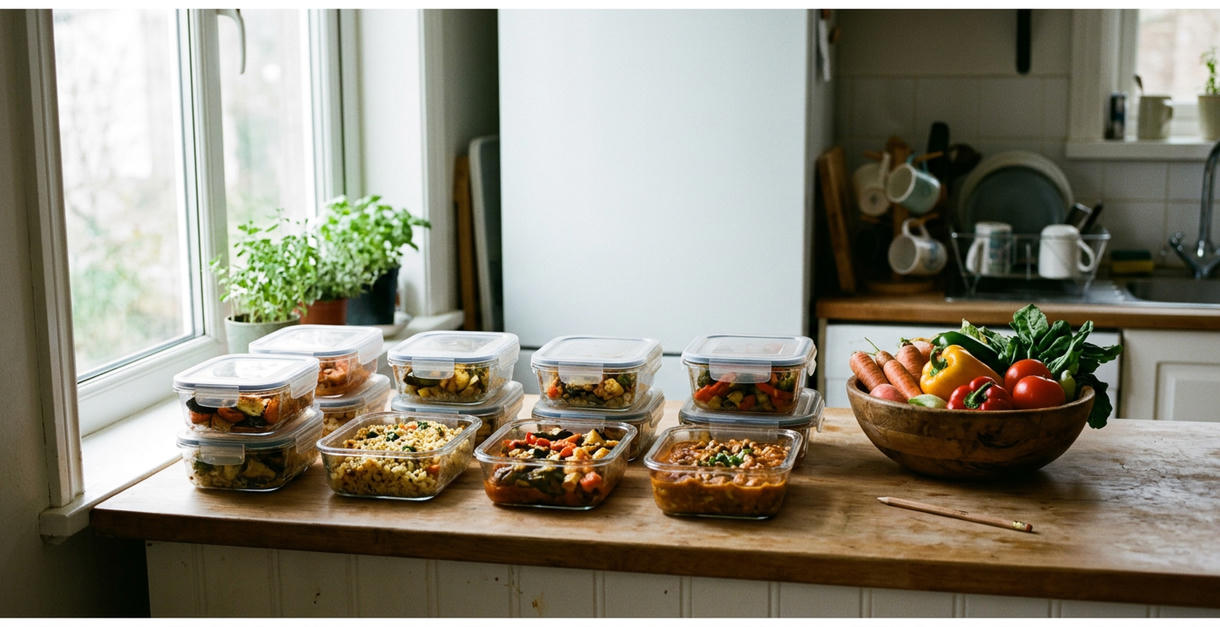
Instead of treating leftovers as an afterthought, build them into the plan. Cooking a larger batch of a base recipe (a pot of chili, a tray of roasted vegetables) and repurposing it across two or three meals stretches your budget further than cooking a new dish from scratch every night.
3) Shop your pantry before you shop the store
Before making your list, check what you already have. It's easy to forget about ingredients sitting in the back of a pantry or freezer, and a quick inventory check can shrink your shopping list — and your total — before you even walk in the store.
4) Keep a rotating list of budget-friendly meals
Rather than starting from scratch each week, keep a running list of 10–15 meals that have worked well on a budget. Rotating through a known list makes weekly planning faster and reduces the temptation to buy specialty ingredients for a one-off recipe.
5) Build your shopping trip around your plan
Once your meals are set, build a single shopping list and stick to one stock-up trip rather than several smaller ones during the week. Fewer trips generally means fewer impulse purchases — one of the more common ways a tight budget gets stretched.
A tight budget still leaves room to plan well
Meal planning on a tight budget is less about cutting things out and more about building a routine — a spending target, a few reusable ingredients, and one well-planned trip — that makes every dollar go further.
Share this article:
The Upside Team

The Upside team is made up of data scientists and industry experts who are passionate about delivering empowering content to our readers. With a focus on providing practical insights and meaningful perspectives, we create engaging materials across a wide range of topics. From exploring industry trends and offering expert analysis to sharing useful tips and inspiring ideas, our team works diligently to provide you with the information you need to thrive.
Similar articles





Request a demo
Request a demo of our platform with no obligation. Our team of industry experts will reach out to learn more about your unique business needs.


