


How are gas prices determined? Why fuel prices change and why they differ by state
Gasoline prices follow a fairly consistent set of economic drivers. Understanding those drivers can help explain why prices move the way they do.

Dr. Thomas Weinandy


How are gas prices determined? Why fuel prices change and why they differ by state
Gasoline prices follow a fairly consistent set of economic drivers. Understanding those drivers can help explain why prices move the way they do.


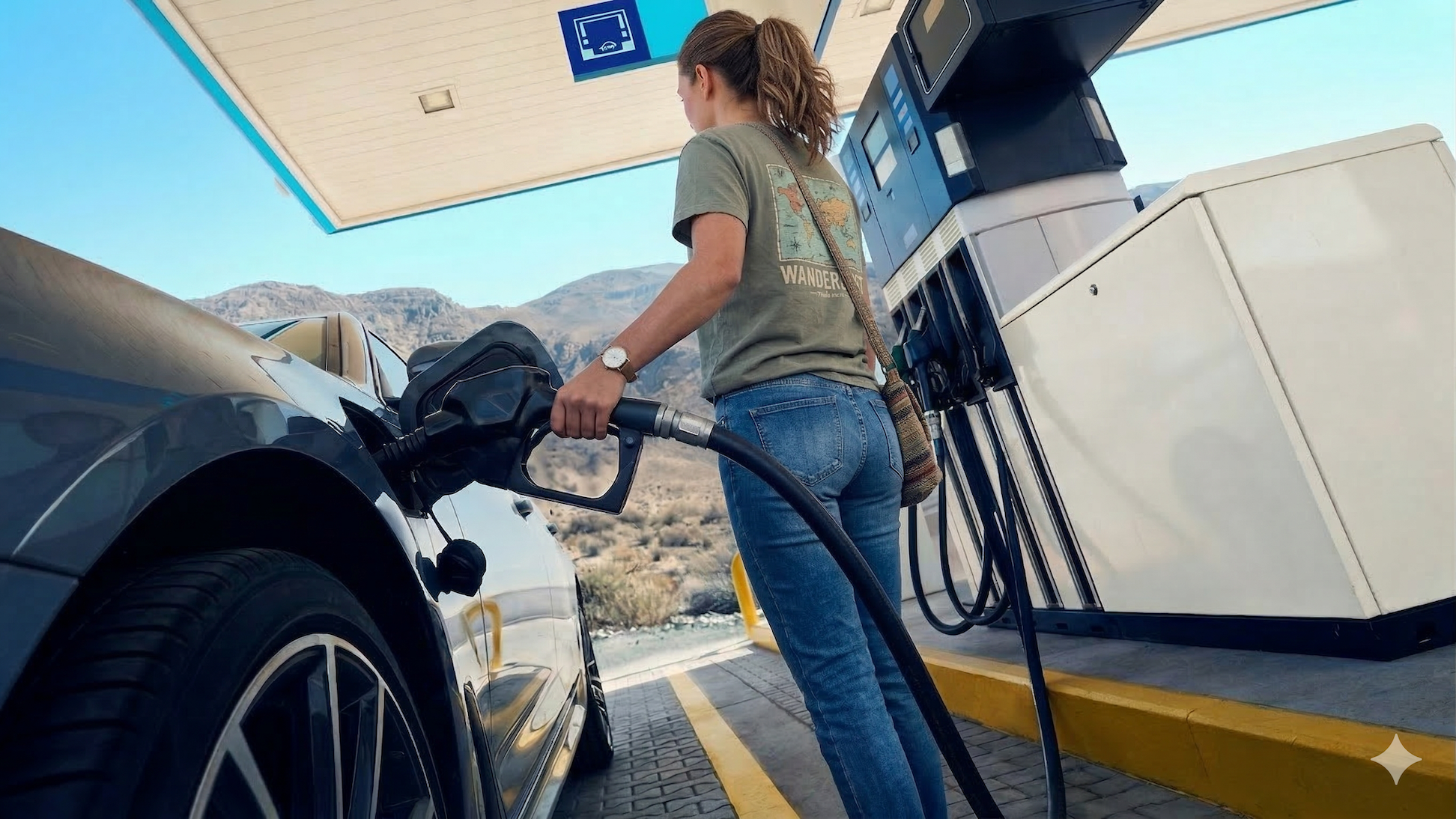
What goes into the sign price for gasoline?
The biggest factor behind gas prices is crude oil, the raw liquid that we use to make gasoline.
Crude oil is drilled from the ground and then transported to refineries where it’s — you guessed it — refined into fuels like gasoline, diesel, and jet fuel. Because gasoline is made from oil, the price of oil has the biggest influence on what drivers pay at the pump.
In fact, oil typically makes up about half to 60% of the price of gasoline. When oil prices rise, gasoline prices usually rise as well.
But oil isn’t the only factor. The final price of gasoline also includes costs of production at refineries, transportation costs to bring the gasoline to stations, operating costs at those stations, federal and state taxes, and local competition
Why do gas prices change every day?
Gas prices change so often because oil and wholesale fuel markets change frequently — much more frequently than sign prices, in fact.
Oil prices change by the second. Refineries and fuel distributors buy and sell fuel in global markets where prices respond quickly to new information about supply and demand.
Gas stations then adjust their prices to reflect those changing wholesale costs and to stay competitive with nearby stations. But they typically only change sign prices once per day or even less. That’s because stations try to smooth out price fluctuations to provide a better, more consistent experience for their customers
Why are gas prices different in every state?
Drivers often notice that gas prices vary widely from one state to another. Several factors explain these differences.
- Taxes: State and local taxes can significantly affect gas prices. California, for example, charges the highest fuel tax in the country, while New Mexico charges the lowest rate in the contiguous United States. Depending on your location in America, the price you pay at the pump can differ greatly because of taxes.
- Distribution costs: Fuel must be transported from refineries to gas stations. Areas that are farther from major refineries or pipelines may face higher transportation costs.
- Regional regulations: Some states require special gasoline formulations designed to reduce air pollution. These blends can cost more to produce, which can raise prices.
- Local competition: Prices also depend on competition between nearby gas stations. In areas with many stations, competition can help keep prices lower.
Why gas prices rise in the summer
Gas prices often rise during the summer months, and two main factors drive this pattern.
The first is related to consumer behavior. More people take vacations and drive longer distances during the summer. That leads to increased demand at gas stations — and the higher demand pushes prices upward.
The second is connected to federal regulations. The United States requires oil refineries to produce a different blend of fuel during summer months, one that is designed to reduce emissions. These blends are more complex and more expensive to produce than their winter-blend counterparts.
Why gas prices rise quickly but fall slowly
Many drivers notice that gas prices tend to rise quickly but decline more gradually. The saying goes that gas prices go up like rockets but come down like feathers.
This pattern is largely due to how fuel markets work. When wholesale fuel prices increase, gas stations have conflicting priorities. On one hand, they have to smooth out rapid price increases to avoid shocking consumers with dramatically higher sign prices from one day to the next. On the other, though, they also need to stay in business. For those reasons, retailers will often adjust prices up more quickly to avoid selling fuel at a loss, and then decrease prices more slowly to ensure they can cover their own operating costs.
Other factors also play a role:
- Gas stations compete with nearby stations
- Fuel in storage was purchased at earlier wholesale prices
- Local market conditions vary
Just like drivers, though, gas stations prefer stability over volatility. Retailers don’t like high prices, either.
How drivers can reduce fuel spending
Even when prices rise, drivers can take steps to reduce their fuel costs. Helpful strategies include the following:
- Compare nearby gas stations for lower prices.
- Use cash back apps and loyalty programs on fuel purchases.
- Drive smoothly and avoid aggressive acceleration.
- Combine errands to take fewer trips.
Share this article:
Dr. Thomas Weinandy

Dr. Weinandy is a Principal Research Economist at Upside, providing valuable insights into consumer spending behavior and macroeconomic trends for the fuel, grocery, and restaurant industries. With a Ph.D. in Applied Economics, his academic research is in digital economics and brick-and-mortar retail. He recently wrote a book on leveraging AI for business intelligence.
Similar articles






Request a demo
Request a demo of our platform with no obligation. Our team of industry experts will reach out to learn more about your unique business needs.


